
An essay uses the analogy of baking cold-proofed focaccia to explain how large language models are trained.
The author maps pre-training (a massive, uninterruptible batch process where raw data is run through a blank model millions of times) to the overnight cold-proofing phase, and post-training (iterative refinement by researchers addressing specific weaknesses) to shaping and cooking.
The comparison illustrates why model training is sensitive to initial conditions and requires both massive upfront investment and careful, collaborative tweaking to produce a usable result.
What happened
An essay compares large language model (LLM) training to baking bread, specifically cold-proofed focaccia. The author breaks down model construction into two main phases: pre-training (a large-scale batch process analogous to overnight cold proofing) and post-training (iterative refinement by researchers, like shaping and cooking).
Why it matters
The piece demystifies how AI models are actually built for readers who lack deep technical training. By grounding the abstract process of training in a familiar analogy—mixing ingredients, letting them develop, then refining the result—it makes the machinery behind conversational AI more tangible. Understanding these two distinct phases helps clarify why model development is expensive in both compute and time, and why the final product requires both large upfront investment and careful iterative tuning.
What to watch
The author signals a follow-up post exploring the teams and roles involved in model training, including their different incentives, tools, and cultural backgrounds—suggesting a deeper dive into the human and organizational side of LLM development.
The author opens with a personal memory of fascination with machine code as a high schooler, then connects that to current fascination with how AI models work. The essay moves from personal motivation to a structured explanation of model training, using baking—specifically cold-proofed focaccia—as the central metaphor. The author intentionally over-simplifies the definition of "model" at first ("a computer system that can converse with a human") before layering in complexity: a model has two parts, a user interface built with conventional programming and a model proper built through training. The core insight is that a model is fundamentally a bag of numbers, created not through traditional programming but through a training process. The author then unpacks training into its component phases. Pre-training is described as a massive, monolithic endeavor: the team sets up initial conditions (data and a blank model), then runs data through the model repeatedly—"a gajillion times." This phase is costly (hundreds of millions of dollars) and time-consuming (months of delay). The team takes snapshots for crash recovery and monitors for signs of degradation. Pre-training cannot be interrupted or easily adjusted; it must simply play out, like cold proofing dough overnight. The result is not yet usable but forms the foundation for what follows. Post-training, by contrast, is a series of small batches. Researchers (whom the author candidly calls "model engineers") identify specific problems the raw model handles poorly and explore targeted tweaks. These surviving experiments accumulate as supplements to the original model. When enough post-training work accumulates, the model paired with a user interface and compute can answer questions like "Give me 5 unusual focaccia toppings." The author acknowledges that the baking analogy has limits—it does not capture the collaborative, iterative, and reversible nature of post-training—but nonetheless uses it to make the process visceral. The essay closes by noting that the author plans a follow-up exploring the teams and roles involved, including their diverging incentives, tools, rhythms, and backgrounds, before asking readers to correct any misunderstandings.
The essay frames model training not as magic or mysterious black-box engineering, but as a concrete, iterative process with clear parallels to physical processes like bread fermentation. The author distinguishes sharply between pre-training and post-training: pre-training is a one-shot, high-stakes bet that cannot be paused or easily adjusted mid-process (hence the cold-proofing analogy—you mix and let it be), while post-training is collaborative, reversible, and incremental. This distinction matters because it suggests different organizational and technical challenges at each stage. The author also notes that the term "training" itself is a shorthand for the composition of pre-, mid-, and post-training phases, hinting that the vocabulary in the field may still be settling. The baking metaphor specifically captures something true about model development: sensitivity to initial conditions (a small early change yields large downstream effects) and the irreplacibility of time (you cannot rush fermentation any more than you can rush pre-training).
AI-summarized, only the topics you pick — one digest a day via Email, Slack, or Discord.
Free · takes 30 seconds · unsubscribe anytime
Ask AI anything about this article. Q&As are published on this page for other readers too.
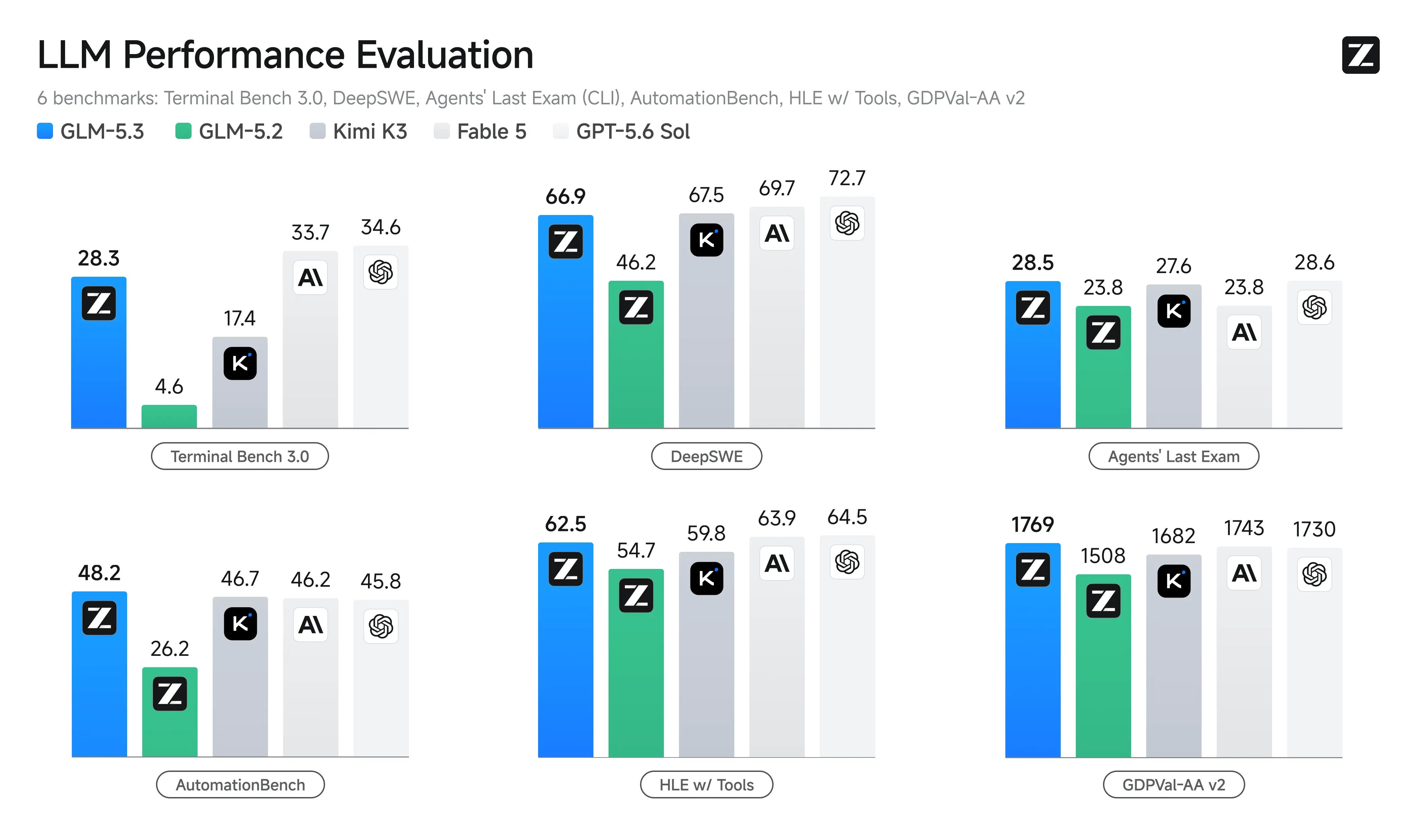
Z.ai announced GLM-5.3, a model with ~750B parameters that has surpassed Moonshot AI's Kimi K3 and matched or…
Anthropic will offer a watermark detection API allowing third-party developers to identify text created by Cla…

A developer released Dictata v0.1.0, a Windows application that transcribes speech locally using Whisper (an A…

WeaveScope, a tracing and monitoring platform for Elixir-based AI agents, entered early access

Osaurus, an MIT-licensed application, launched version 0.22.22 today

A rhetorical device—the "It's not X; it's Y" construction—has become the most recognizable hallmark of AI writ…

The AI news that matters, in one minute each morning.
Sign up free