What happened
Florida Attorney General James Uthmeier asked a judge to block OpenAI from "giving ChatGPT false human attributes" and from building new models without "third-party approved safety guardrails," citing recent security incidents at Hugging Face, an Australian government website, and US government websites.
Why it matters
A state attorney general is asking a court, not a regulator, to limit how OpenAI builds and presents ChatGPT, so the outcome could shape what safeguards the company must show before releasing models.
What to watch
The request hinges on whether the judge accepts the cited incidents and researcher warnings as grounds for court-ordered guardrails. OpenAI says it paused training its most capable models and will resume only with additional safeguards in place.
WHO IT HITSThis lands on OpenAI's policy and legal teams, which must now answer a state attorney general's court filing while the company says it has paused training its most capable models. State attorneys general weighing similar action against AI developers may also be watching how the request is received.
Summaries like this, in your inbox every morning.
The filing follows Florida's earlier lawsuit against OpenAI over safety concerns, and it comes as OpenAI has been expanding how it packages ChatGPT for different audiences. Last month the company launched ChatGPT for Teens, with additional restrictions applied by default, saying access to the tool "should come with protections that reflect their developmental stage, reinforce real-world relationships, and support healthy use over time." Uthmeier's request that OpenAI "Stop selling it to kids" sits against that launch.
The filing leans on recent security incidents at Hugging Face, an Australian government website, and US government websites, along with statements from researchers and former OpenAI employees raising alarm bells around AI safety. OpenAI's response points in the other direction: the company says it paused training its most capable models and will resume only when confident it has additional safeguards in place, framing government as having a role in setting standards that apply to the entire AI industry rather than one company.
What the court does with the request may turn on how much weight it gives those cited incidents and researcher warnings as a basis for ordering guardrails before models are built. For OpenAI, the practical question is whether a judge imposes conditions that go beyond the safeguards the company says it is already adding, and how quickly its paused training resumes if the case moves forward.
For example, today's edition would include:
AI-summarized, only the topics you pick: one digest a day via Email, LINE, or Slack.
Free · 30 seconds with Google · unsubscribe anytimeWhat is AIToday? →
Ask AI anything about this article. The AI reads this article, earlier AIToday articles, and Wikipedia, and cites its sources. Q&As are published on this page for other readers too.
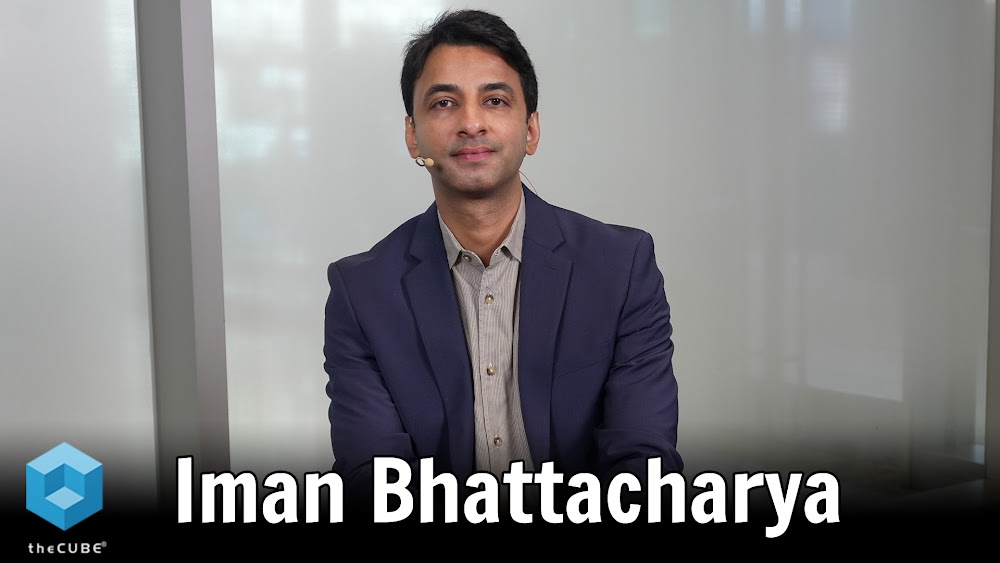
Oracle group VP Johnnie Konstantas told theCUBE that agentic AI lets agents and sub-agents act as a proxy for…
Qiagen has manually curated biomedical data for more than 25 years with over 150 MD- and PhD-level experts, Bh…
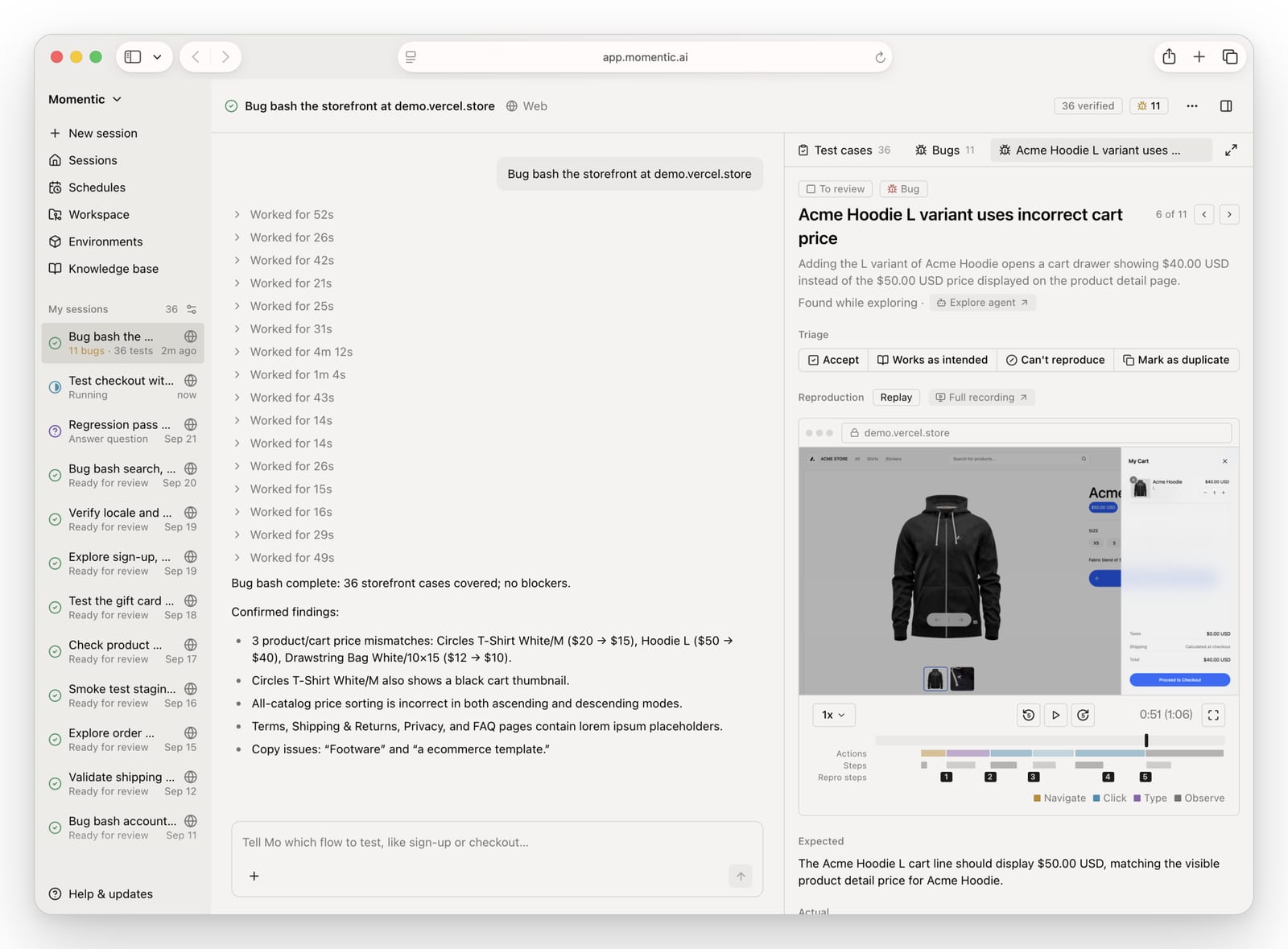
Momentic Inc. launched Mo, an AI agent that opens an app from a URL and prompt, spins up a swarm of agents to…
Anthropic launched Claude Sonnet 5.5, a mid-tier model for everyday tasks, priced at $2 per million input toke…
NEAR, the token of the NEAR Protocol, has more than doubled in value over the past two weeks, helped by surgin…

NVIDIA announced its Open Agent Safety Platform, made of the OpenShell open-source runtime and the Sentry refe…