
What happened
The authors argue both camps in the pacing debate have fallen for the "Compute-to-GDP Fallacy"—the belief that every leap in model performance instantly translates to economic output.
Why it matters
Corporate America is years behind the frontier, so pacing would cost the economy little while enterprises catch up, the authors argue.
What to watch
Whether the Trump administration raises joint AI-safety guidelines with China hinges on discussions between Treasury Secretary Bessent and his Chinese counterpart.
WHO IT HITSEnterprise CIOs and operations leaders rolling out AI across fragmented legacy systems should note that the authors argue most daily workflows need simpler models, not frontier systems.
Summaries like this, in your inbox every morning.
The authors frame the current AI pacing debate as a distraction from the real economics of enterprise adoption. Drawing on more than 100 conversations with CEOs, policy leaders, and AI scientists for their coming book, they argue that the structural realities of enterprise architecture—fragmented data silos, legacy ERPs, strict compliance regimes, and basic data hygiene—make true economic absorption inherently slow regardless of what frontier labs decide. The McKinsey data they cite reinforces this: only 6 percent of companies reported a "significant" impact and modest earnings attribution from AI, and electricity took 75 years to lift productivity economy-wide.
The piece also notes a parallel shift in silicon economics. Older-generation chips are finding new life for practical inference tasks, with Growth Protocol founder Miro Dimitrov reporting at the Yale CEO Caucus that deploying neuro-symbolic architectures slashed inference costs by roughly 80-fold in live client deployments. This dynamic suggests that the frontier labs' single-minded race toward superintelligence may be less commercially decisive than they assume, since most enterprise demand can be met by models one or two generations old.
The stakes the authors identify hinge on whether the labs recognize that two races are underway: one toward superintelligence and another for share of wallet. The outcome may depend on whether frontier labs can earn the trust of enterprises, regulators, and citizens—since recapturing a customer after the decision is made is extraordinarily difficult, as China's victory in the global telecommunications race illustrates. A pacing interval, in their view, is less an economic ceasefire than an active defensive hardening window.
For example, today's edition would include:
AI-summarized, only the topics you pick — one digest a day via Email, LINE, or Slack.
Free · 30 seconds with Google · unsubscribe anytimeWhat is AIToday? →
Ask AI anything about this article. Q&As are published on this page for other readers too.
An analysis named Amazon and Palantir as AI software plays, citing analyst expectations that their revenue and…

Zacks published research on 16 major stocks, including NVIDIA Corp

Amazon blocked Meta's Muse assistant while Shopify allowed it, the first sign of battle lines over how AI agen…

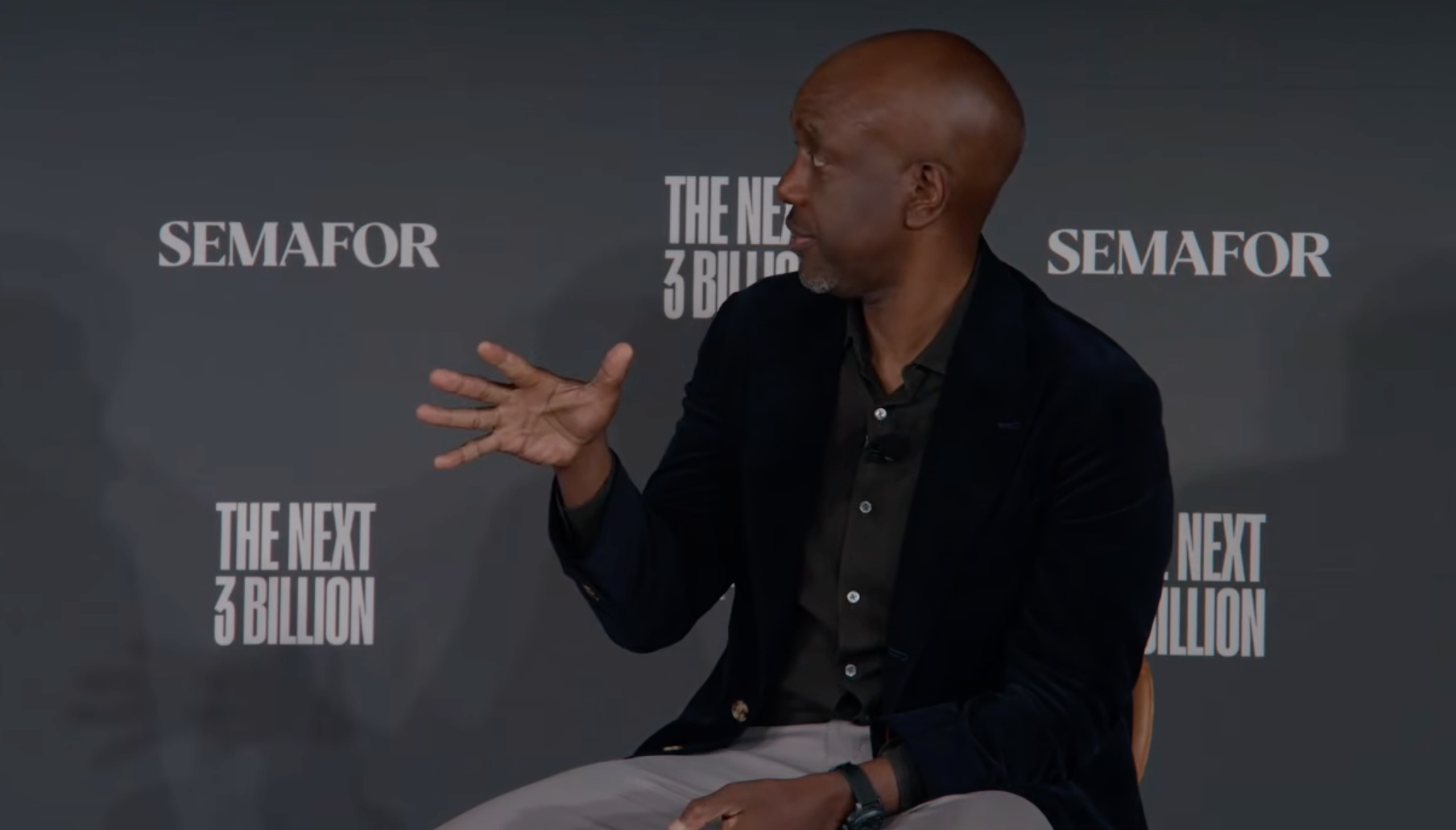
Google SVP James Manyika told Semafor's Next 3 Billion event that the Global South is "a little bit more optim…
OpenAI launched GPT-6 Sol and Luna, halving token prices from GPT-5.6 — Sol at $2 input and $10 output per mil…

Snowflake said Agent Observability, coming soon to private preview in Observe, will trace agent interactions a…