
What happened
Tucker Bryant, a 32-year-old former Google project manager, launched ChatTJB in April—a chatbot where he personally answers user prompts by hand instead of using AI. After a $6,000 San Francisco billboard went up on July 27, the project took off; as of August 6, it has received over 30,000 queries, with peak traffic reaching about 5,000 prompts per hour. Bryant has since enlisted 10 volunteers from over 3,000 applicants to help handle the load.
Why it matters
Bryant frames ChatTJB as an art project and commentary on what he calls "cognitive surrender"—the tendency to defer to AI with minimal critical thinking. By offering unfiltered human conversation instead of algorithmic responses, the project challenges the assumption that AI-powered solutions are always better. For people accustomed to chatbots, the experience of asking a real person and waiting for a genuine response appears to create a different kind of engagement, one Bryant describes as "tender."
What to watch
Bryant plans to keep the project going beyond his initial expectation of a few days, with the billboard remaining up until late August. He offers ChatTJB Pro at $5 per month for supporters, though he emphasizes it is "a worthless tier" that provides only the knowledge of funding the art; as of the article's writing, about four people have paid.
Summaries like this, in your inbox every morning.
ChatTJB emerges as a direct counter to the current moment of AI saturation and hype. Bryant positions it explicitly as an art project and cultural commentary rather than a genuine product or service—a distinction he emphasizes when he notes that the website he built uses Lovable, an AI tool, yet the chatbot itself strips away automation entirely. The contrast is intentional: in an era when companies market AI solutions as world-changing and breathless coverage alternates between techno-utopianism and AI-bubble warnings, Bryant offers something deliberately lowbrow and human—a person who will draw you a frog eating spaghetti or admit he doesn't know the answer.
The concept of "cognitive surrender" that Bryant articulates—the idea that people increasingly outsource judgment to AI without engaging critically—appears to resonate with users in ways he did not anticipate. His own experience deferring to an LLM about how to dress in San Francisco weather, despite years of living there, crystallized the concern. What the article reveals is that users, once they realized ChatTJB was a genuine conversation with a human, began sharing more personal and sincere questions alongside the jokes, suggesting people may hunger for interaction that lacks the algorithmic sheen and authority of a large language model.
For example, today's edition would include:
AI-summarized, only the topics you pick: one digest a day via Email, LINE, or Slack.
Free · 30 seconds with Google · unsubscribe anytimeWhat is AIToday? →
Ask AI anything about this article. The AI reads this article, earlier AIToday articles, and Wikipedia, and cites its sources. Q&As are published on this page for other readers too.
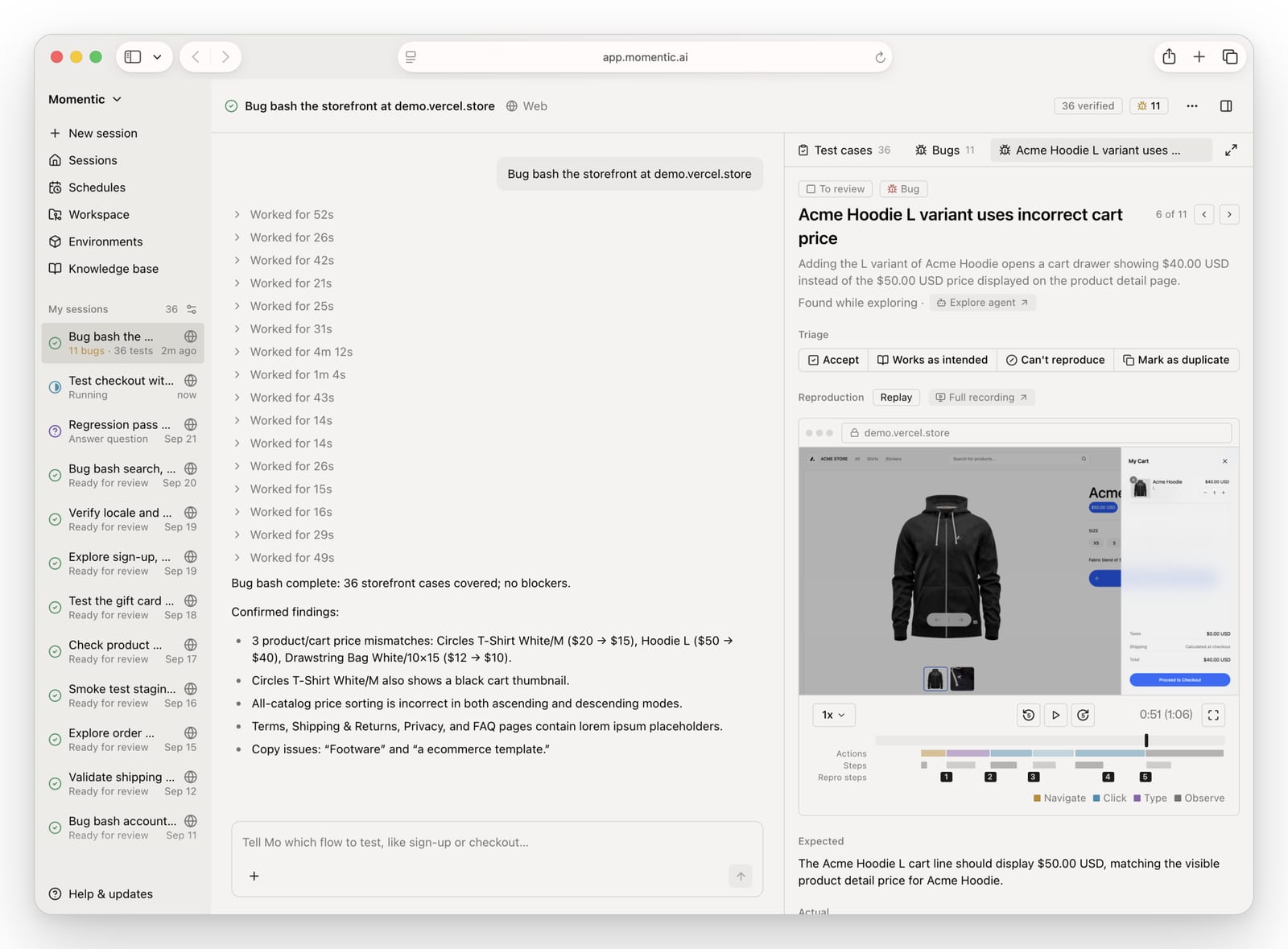
Momentic Inc. launched Mo, an AI agent that opens an app from a URL and prompt, spins up a swarm of agents to…
Anthropic launched Claude Sonnet 5.5, a mid-tier model for everyday tasks, priced at $2 per million input toke…
Oracle group VP Johnnie Konstantas told theCUBE that agentic AI lets agents and sub-agents act as a proxy for…

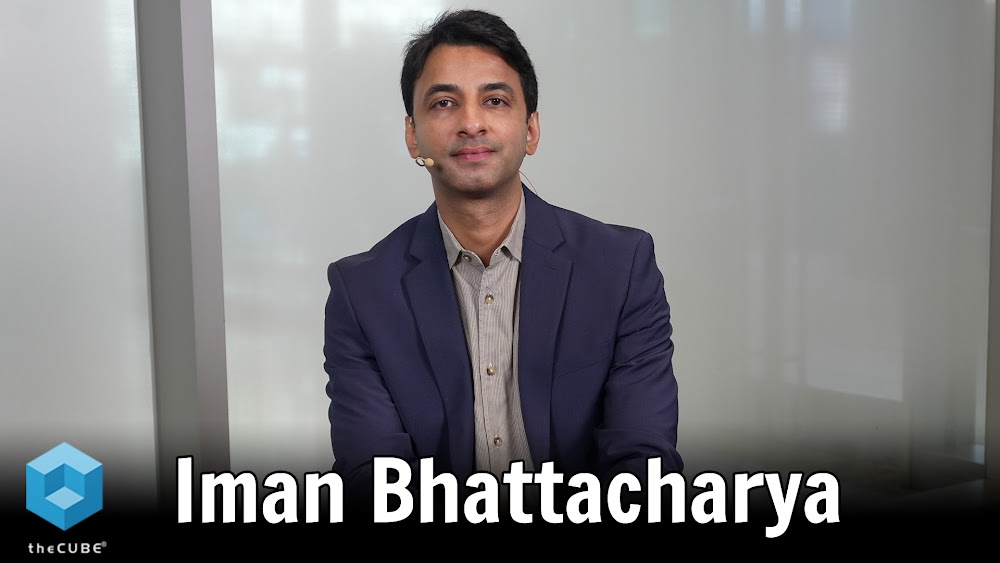
Qiagen has manually curated biomedical data for more than 25 years with over 150 MD- and PhD-level experts, Bh…
NEAR, the token of the NEAR Protocol, has more than doubled in value over the past two weeks, helped by surgin…

Anthropic released Claude Sonnet 5.5, which it says runs output more than 30 percent faster and costs up to 30…