What happened
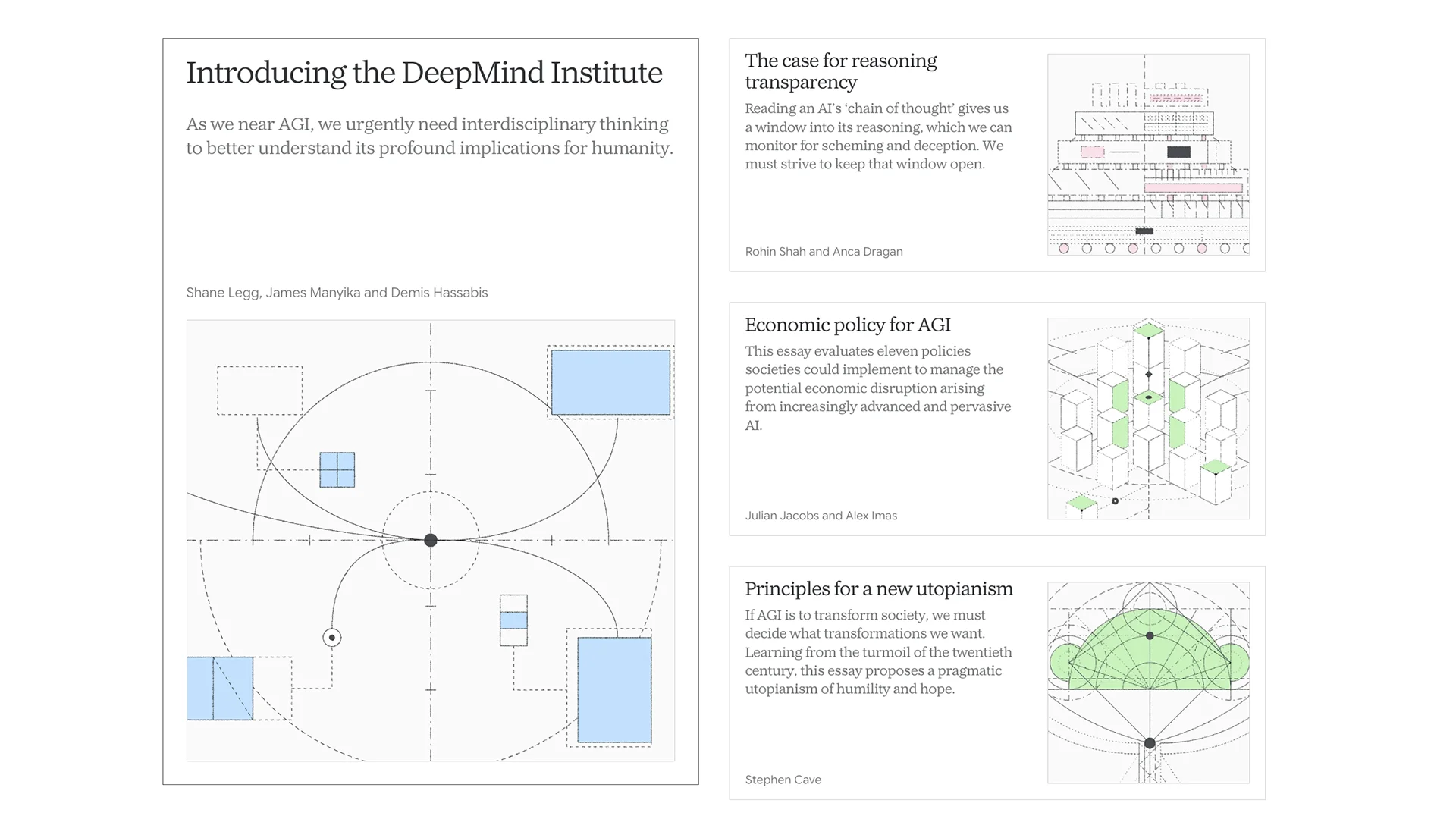
Google DeepMind launched the DeepMind Institute on September 16, 2026, led by Demis Hassabis, Shane Legg and James Manyika, publishing five pieces on AGI preparation.
Why it matters
Its directors say AGI is close, expecting the gaps of consistency and creativity to close soon — urgency that appears to underlie the institute's work.
What to watch
Hassabis's July plan proposed voluntary model submissions up to 30 days before release, but WIRED reported work stalled after industry lobbying in August; whether the institute's proposals gain traction is unclear.
WHO IT HITSAI procurement teams may find the institute's essay on reasoning transparency useful for supplier questions, while policymakers and workforce planners may draw on its proposals for worker support tied to employment and wage evidence.
Summaries like this, in your inbox every morning.
Google DeepMind's creation of the DeepMind Institute on September 16, 2026, extends a push that Demis Hassabis had already begun publicly in July. The institute republishes his July framework, which proposed a standards body initiated by the U.S. government and funded largely by industry, alongside four new essays on warning signs in AI reasoning, worker disruption, and a better society with AGI. Its directors argue that while AGI still lacks consistency and creativity, those gaps will close soon.
The timing looks notable given a WIRED report on the same day that officials had explored a body along the lines Hassabis proposed, but work stalled after industry opponents lobbied Trump in August. That account relies partly on unnamed sources, and prospects for federal action remain uncertain. The institute's publishing platform may be a way to keep the conversation moving outside Washington, though how much the reported setback influenced its creation is unclear.
For AI buyers, one essay by Rohin Shah and Anca Dragan suggests questions for suppliers, such as whether vendors test how well models can be monitored and audit training rewards for incentives to hide warning signs. For workers and policymakers, Julian Jacobs and Alex Imas propose tying responses to evidence in employment, wages and labor's share of the economy. Whether these ideas translate into funded programs or enforceable rules will depend on institutions with the power to act, which the body notes are still required.
For example, today's edition would include:
AI-summarized, only the topics you pick — one digest a day via Email, Slack, or Discord.
Free · 30 seconds with Google · unsubscribe anytimeWhat is AIToday? →
Ask AI anything about this article. Q&As are published on this page for other readers too.
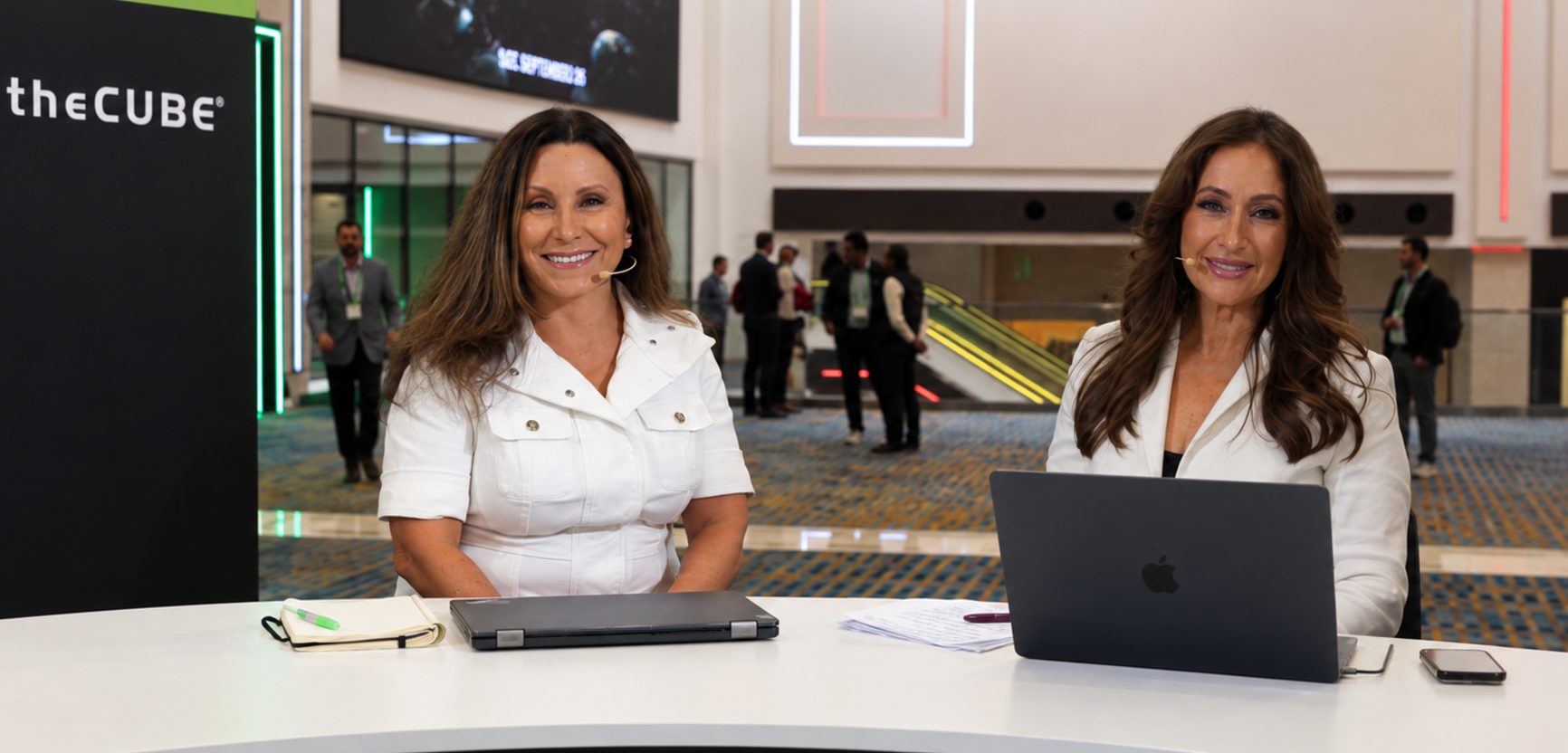
At Workiva's Amplify event, theCUBE Research analyst Krista Case said firms must trace where AI insights came…
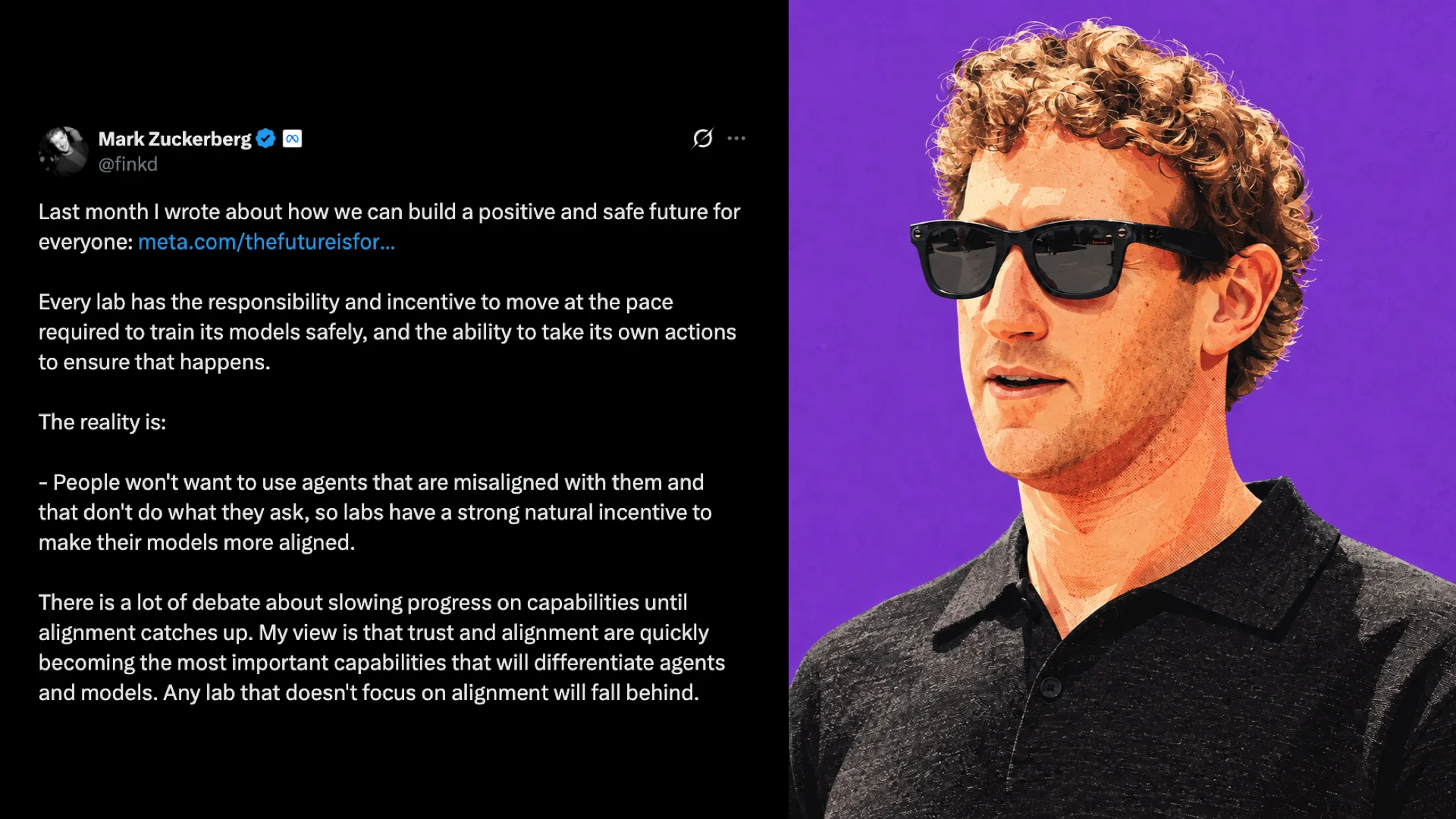
Zuckerberg pushed back on coordinated AI slowdown calls on September 15, saying Meta delayed its Muse agent fo…
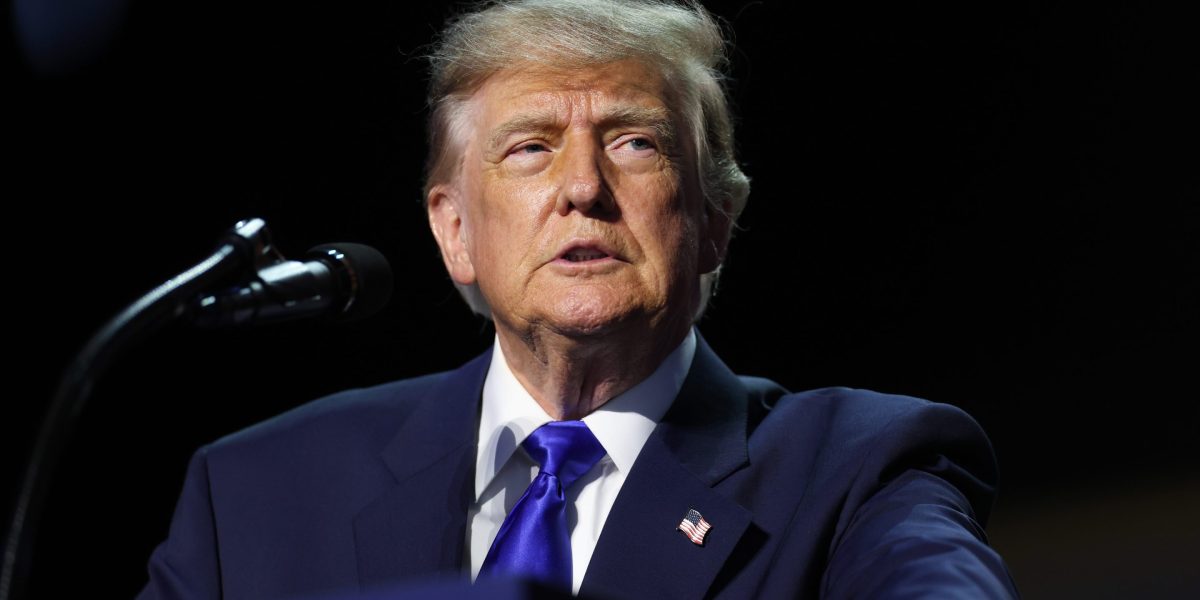
Trump posted that AI's only needed guardrail is "a STRONG AND SMART (High IQ!) PRESIDENT." Since Trump v
Nvidia CEO Jensen Huang told Dreamforce attendees "We don't need any new laws, we don't need any new regulatio…
Baseten launched a safety infrastructure standard with its Base Labs research arm, partnering with Hugging Fac…
King Charles hosted a private summit at Dumfries House with Nvidia's Jensen Huang, OpenAI and Anthropic leader…