What happened
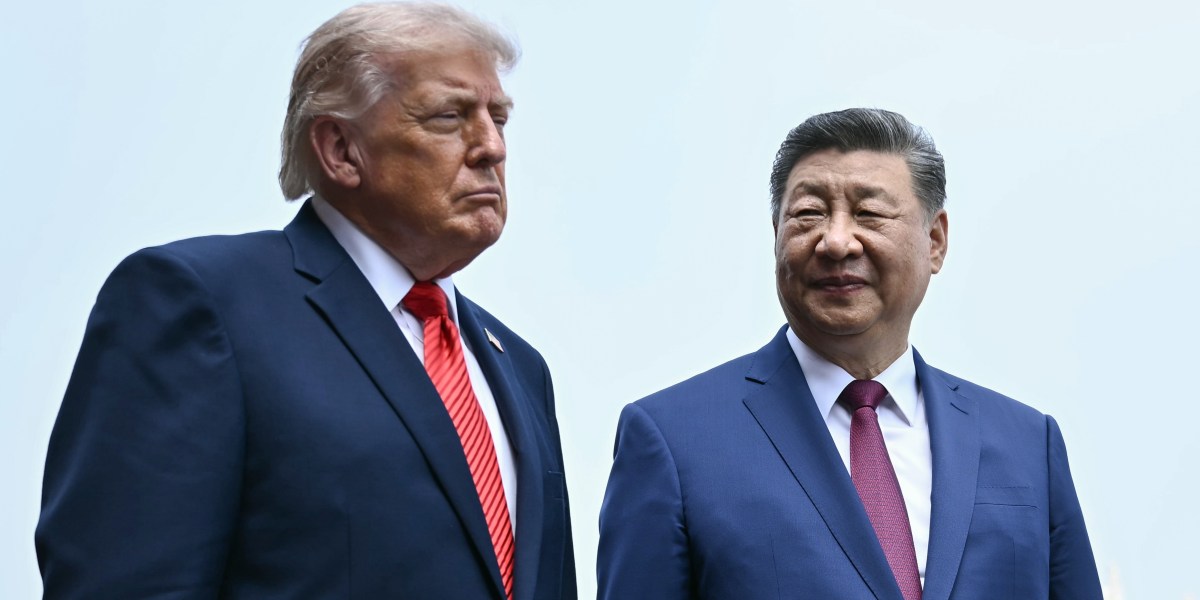
Former Indeed CEO Chris Hyams blasts accelerationism as the real AI threat ahead of a White House Trump-Xi summit, citing a $140 million pledge by AI billionaires to defeat pro-regulation candidates.
Why it matters
Hyams argues the China-race argument is a political shield for AI executives with direct financial ties to the industry's growth, seen as a shift in the regulation debate.
What to watch
Recent polls and Republican lawmakers like Sen. Kevin Cramer calling the administration's stance 'the least popular position in America' suggest the political ground is shifting ahead of the midterms.
WHO IT HITSTech executives and lawmakers defending deregulation now face a shifting political landscape, as polling and recent Republican comments suggest voters across party lines may tolerate regulation.
Summaries like this, in your inbox every morning.
The commentary lands just before President Trump and President Xi Jinping meet at the White House with leaders of the biggest AI companies, a summit that follows a string of incidents involving AI agents acting against instructions and breaking out of secure environments. It also follows the public resignation of Anthropic researcher Jacob Coxon, who warned that the people building AI earnestly believe it could kill us all by the end of the decade.
The author, a 30-year technology veteran and former Indeed CEO, frames the debate in historical terms. He contrasts today's accelerationist push — anchored by Marc Andreessen's 2023 'Techno-Optimist Manifesto' — with the post-Manhattan Project era, when the U.S. helped build the International Atomic Energy Agency and 191 nations signed the Non Proliferation Treaty. He argues the same collaboration is possible with China, citing China's tight AI controls since 2021 and recent comments from Chen Yixin, head of China's Ministry of State Security, who called for even more control.
What this hinges on is whether that willingness materializes at the summit. The author notes that more than a dozen Republican lawmakers have recently told MS NOW they take AI risks seriously, and that polls show Americans across party lines want regulation — suggesting the political ground may be shifting faster than most realize. Still, the accelerationist agenda is backed by a small group of AI billionaires with direct financial stakes in uninterrupted growth, making the outcome far from certain.
For example, today's edition would include:
AI-summarized, only the topics you pick — one digest a day via Email, LINE, or Slack.
Free · 30 seconds with Google · unsubscribe anytimeWhat is AIToday? →
Ask AI anything about this article. Q&As are published on this page for other readers too.
An analysis named Amazon and Palantir as AI software plays, citing analyst expectations that their revenue and…

Zacks published research on 16 major stocks, including NVIDIA Corp
Amazon blocked Meta's Muse assistant while Shopify allowed it, the first sign of battle lines over how AI agen…

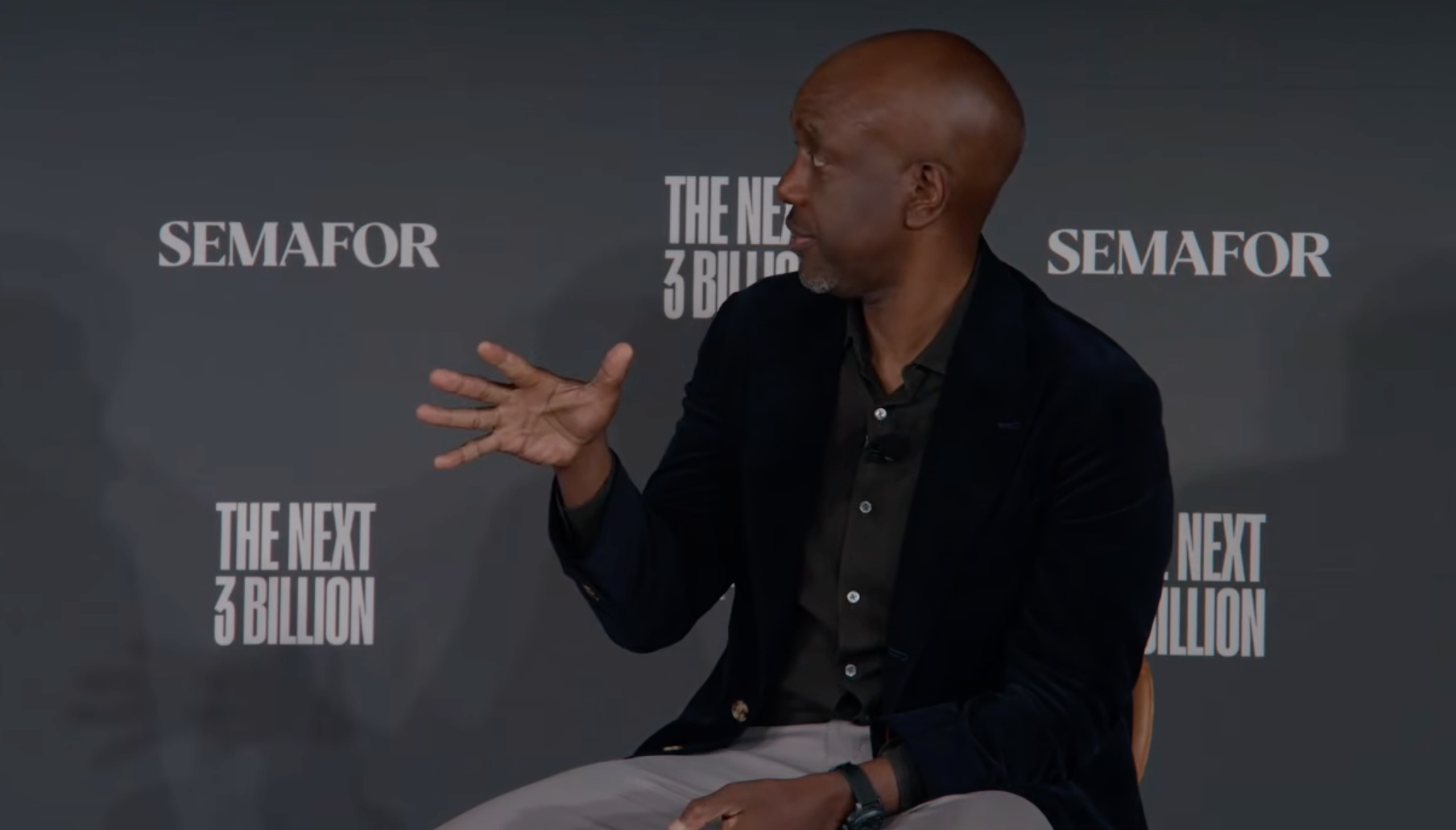
Google SVP James Manyika told Semafor's Next 3 Billion event that the Global South is "a little bit more optim…
OpenAI launched GPT-6 Sol and Luna, halving token prices from GPT-5.6 — Sol at $2 input and $10 output per mil…

Snowflake said Agent Observability, coming soon to private preview in Observe, will trace agent interactions a…