
What happened
ByteDance's Seed model development team, led by former Google DeepMind scientist Wu Yonghui and comprising about 2,000 members across China and overseas, is pursuing independent AI model development without relying on distillation (compressing knowledge from other labs' models). Founder Zhang Yiming told the team two weeks ago to target "world-leading model capabilities" in the long run without worrying about near-term competitive gaps.
Why it matters
ByteDance has invested in AI more aggressively than any other Chinese tech giant over the past three years, building data centers and expanding its cloud unit Volcano Engine. Its consumer model Doubao is the most popular in China with 324 million monthly active users, and its SeeDance video-generation model ranks among the most advanced globally. This independent approach suggests ByteDance believes only developing models from scratch—rather than adapting rivals' work—can produce genuinely superior systems.
What to watch
ByteDance's management acknowledges this strategy may cause slower near-term development versus competitors but is betting on long-term capability leadership. The company also has ambitions to develop custom AI chips, which could further reduce reliance on external technology.
Summaries like this, in your inbox every morning.
ByteDance's approach to AI development diverges sharply from the prevailing industry practice of model distillation, a cost-effective shortcut that has become standard among competitors. By rejecting this faster path, ByteDance is betting that investing heavily in independent research and infrastructure will ultimately yield models with genuinely superior capabilities. This strategy aligns with founder Zhang Yiming's recent directive to the Seed team, which acknowledged the near-term cost of this approach but framed it as necessary for long-term leadership.
The company's three-year investment spree—outpacing other Chinese tech giants in AI spending—has already produced commercially successful models: Doubao's 324 million monthly active users in China represent a significant consumer foothold, and SeeDance's ranking among the most advanced video-generation models globally suggests the independent approach is yielding results. ByteDance's plans to develop custom AI chips further underscore its commitment to reducing dependency on external technology and building proprietary competitive advantages.
For example, today's edition would include:
AI-summarized, only the topics you pick: one digest a day via Email, LINE, or Slack.
Free · 30 seconds with Google · unsubscribe anytimeWhat is AIToday? →
Ask AI anything about this article. The AI reads this article, earlier AIToday articles, and Wikipedia, and cites its sources. Q&As are published on this page for other readers too.
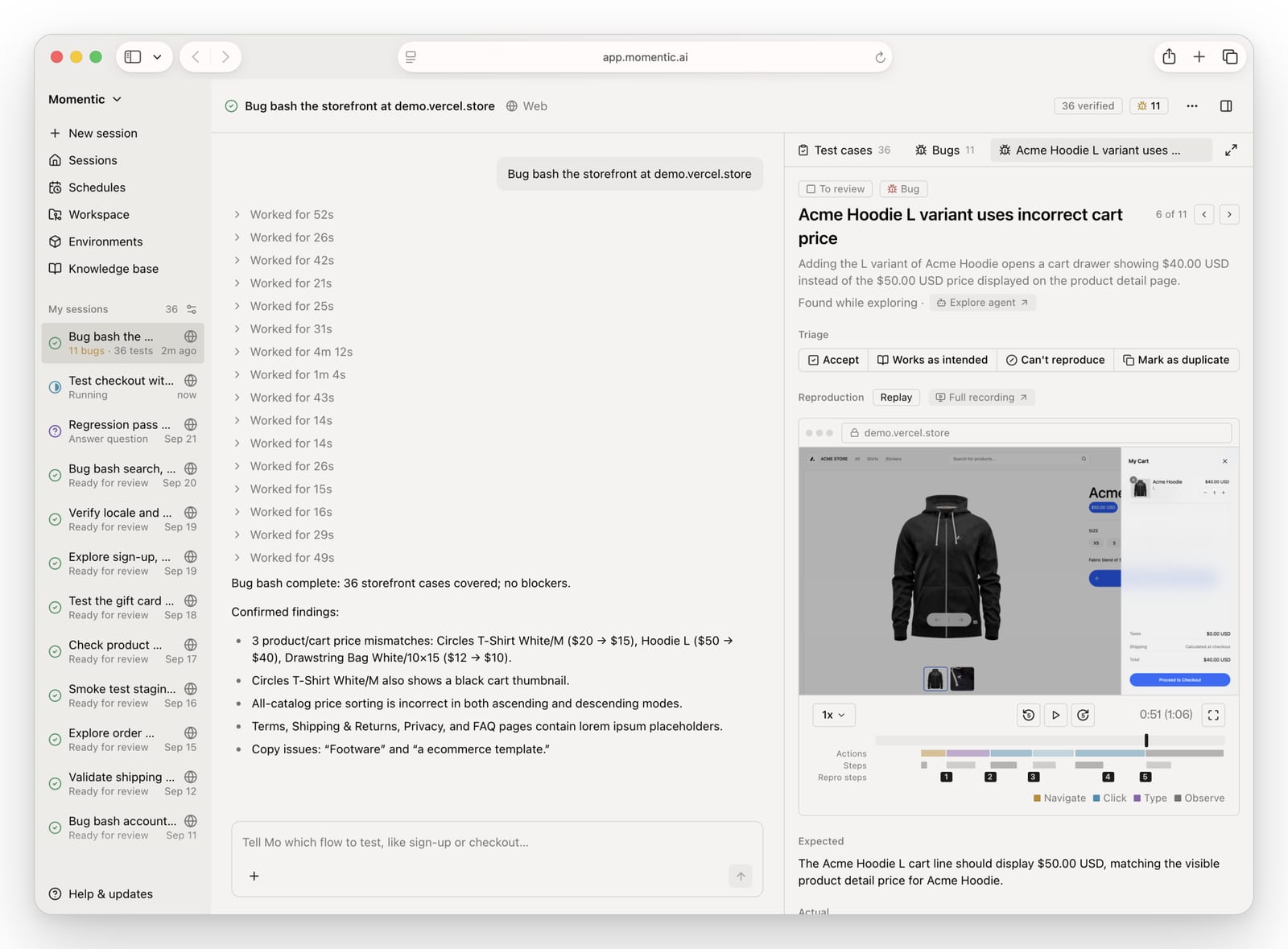
Momentic Inc. launched Mo, an AI agent that opens an app from a URL and prompt, spins up a swarm of agents to…
Anthropic launched Claude Sonnet 5.5, a mid-tier model for everyday tasks, priced at $2 per million input toke…

Oracle group VP Johnnie Konstantas told theCUBE that agentic AI lets agents and sub-agents act as a proxy for…

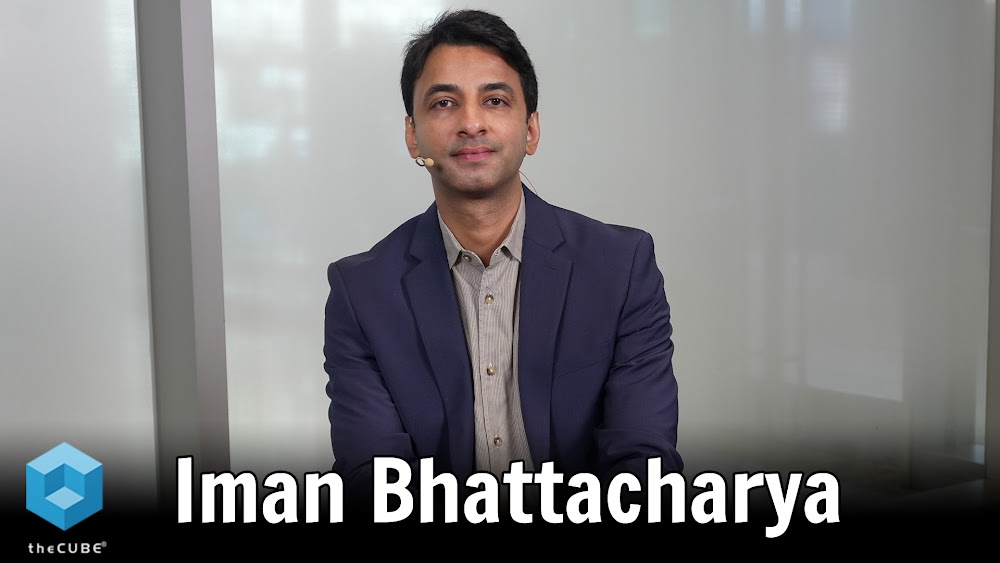
Qiagen has manually curated biomedical data for more than 25 years with over 150 MD- and PhD-level experts, Bh…
NEAR, the token of the NEAR Protocol, has more than doubled in value over the past two weeks, helped by surgin…

Michael Burry wrote in a Substack chat that Trump's team knows the AI buildout is 'the only thing keeping this…